
Relaxed silhouettes are here to stay
In 2026 the shift continues from narrow, overly fitted models towards softer, looser cuts. This suits a child’s wardrobe naturally, because comfort and room to grow are a real value, not just a visual trend.
Free shipping on orders over 50€!
Published 12.04.2026
Children's fashion in 2026 is moving clearly towards comfort, reuse and a well-considered wardrobe. That does not mean a boring selection. On the contrary: this year the clothes that work best are the ones that combine a soft silhouette, a strong sense of colour and real usefulness at school, at nursery, on special days and in everyday movement.
What people actually search for
Where a few years ago a trend piece mostly meant listing a colour palette or a specific cut, in 2026 the buying decision is far more functional. A parent wants to know whether the new trend helps put together a smaller but smarter wardrobe; whether the chosen garment will withstand active use; whether it fits with existing pieces and changeable weather. In children's fashion, the directions that win are exactly the ones that bring visual freshness without sacrificing practicality.
In the Estonian market this matters especially, because the very same piece often has to work in very different conditions. Cool in the morning, warm during the day, on to training or a birthday after school. That is why layered dressing, a roomier fit and materials that are light, soft and easy to care for come to the fore. 2026 rewards not the loudest piece, but the most thought-through purchase.
From an e-commerce point of view the trend has changed too: parents reach the product page often through informational queries such as “kids clothing trends”, “what to buy for the school season”, “is oversize right for a child” or “which colours to choose for spring”. When a shop can answer these questions in a meaningful way, the uncertainty before adding to the cart drops noticeably.
In 2026 the shift continues from narrow, overly fitted models towards softer, looser cuts. This suits a child’s wardrobe naturally, because comfort and room to grow are a real value, not just a visual trend.
Parents buy fewer random one-off pieces and prefer sets that combine quickly with each other. School clothes, hoodies, leggings, knitted jumpers and neutral outerwear form a smaller but stronger wardrobe.
Base tones such as sand, milky white, greyish blue and soft green create a calm foundation. Alongside them, energetic accents like cherry red, peach and lemon yellow do their job, especially in spring and summer capsules.
Parents look for clothes that look high quality even without a large print or a dominant slogan. Ribbing, soft terry, jersey and a light quilted surface give more visual value than aggressive branding.
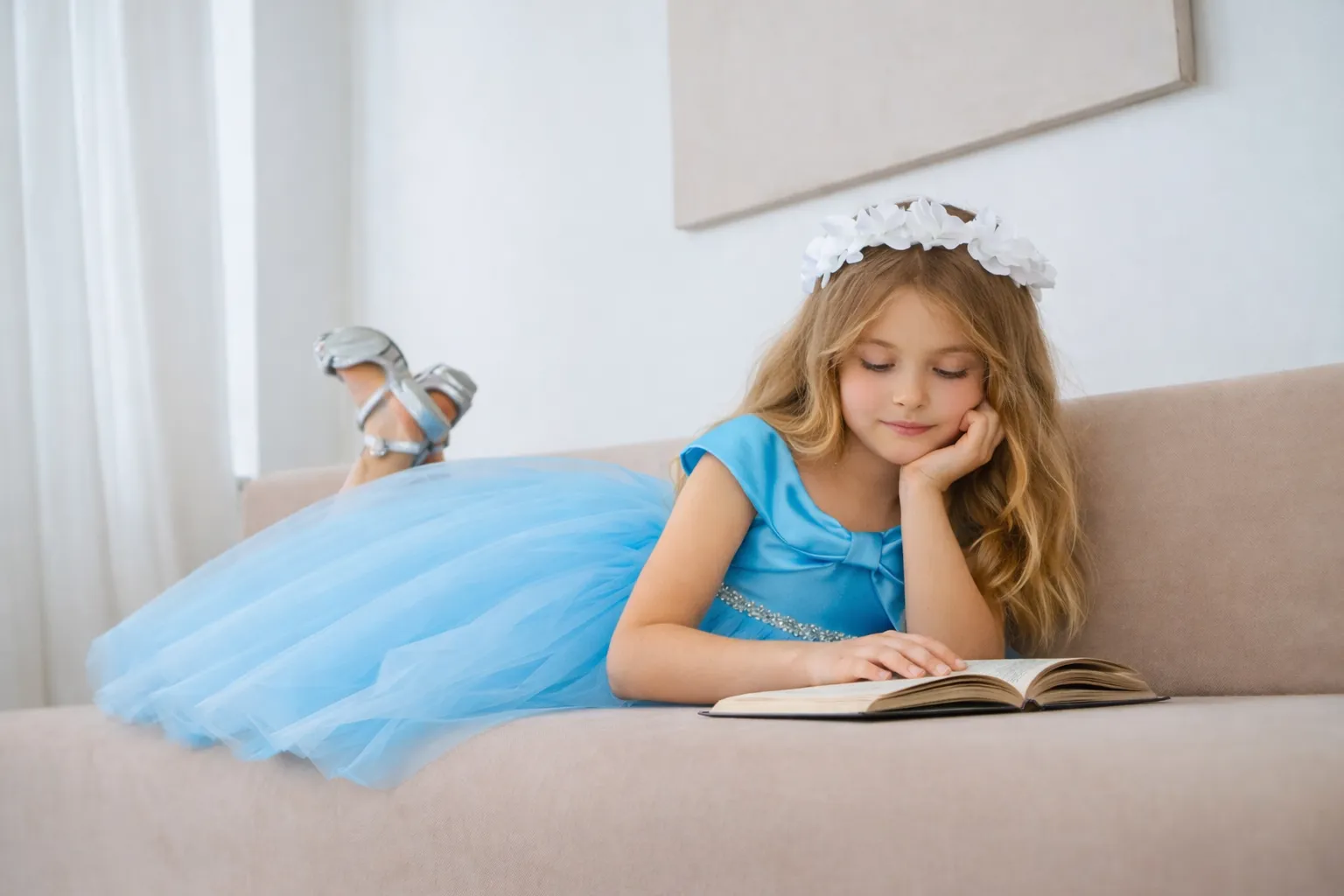
Dressy dresses, shirts and sets increasingly need to work after the event too. A piece for a child’s party should not sit in the wardrobe after one wear, but be wearable for a birthday, a school assembly and a photo shoot.
Shopping list 2026
By age
The focus is on softness, easy care and layering. 2026 favours simple sets where the bodysuit, trousers and top layer are tone on tone and need little matching.
At this age, parents buy most of the clothes that have to withstand movement and repeated washing. The best trend choice is a tracksuit set, a roomier T-shirt, a light jacket and comfortable shoes the child can use as independently as possible.
The line between school and free time blurs. In 2026 a wardrobe works where one jumper suits a lesson, a theatre visit and a family event alike. Colours stay calm, but the details can be more playful.
The silhouette becomes more deliberate. A younger teenager is already looking for personality, but the parent still expects practicality. That is why neutral base pieces, with one more on-trend accent added, work especially well.
How to use this at Amadeo
Trend content works best when it does not stay abstract. If the central keyword of 2026 is the relaxed silhouette, the user should be able to find it further in the girls', boys' and baby clothing categories. If the focus is the back-to-school capsule wardrobe, the next logical step should be browsing school clothes and the core layering pieces.
The same applies to dressiness. If a party piece has to be wearable more than once, what matters is not only the look but also the material, the washing and care options and how it fits with the rest of the wardrobe. That is why it is worth tying the trends page to the size guide, a practical FAQ and shopping advice. That way inspiration does not hang in the air, but moves logically towards conversion.
Content hub
Bring the next steps together on one page: trends, sizes, FAQ and practical shopping guides.
Sizes
A trend only works when the size supports the child’s movement and leaves the room to wear that is needed.
FAQ
If a trend choice raises questions about material, care or returns, start from the questions-and-answers page.
No. Oversize is an important part of the trend, but the main shift is towards comfort, layering and versatility. One piece may be straighter, another looser; the key is that the garment supports use.
The strongest is the practical capsule approach: neutral core pieces that can be combined for different weather and different daily schedules. It works well with Estonia’s changeable weather and the rhythm of the school season.
No. The most sensible thing is to add one or two strong updates to the existing wardrobe, for example a new colour tone, a softer silhouette or a functional mid-layer.